
This post may contain affiliate links. Please read my disclosure policy .
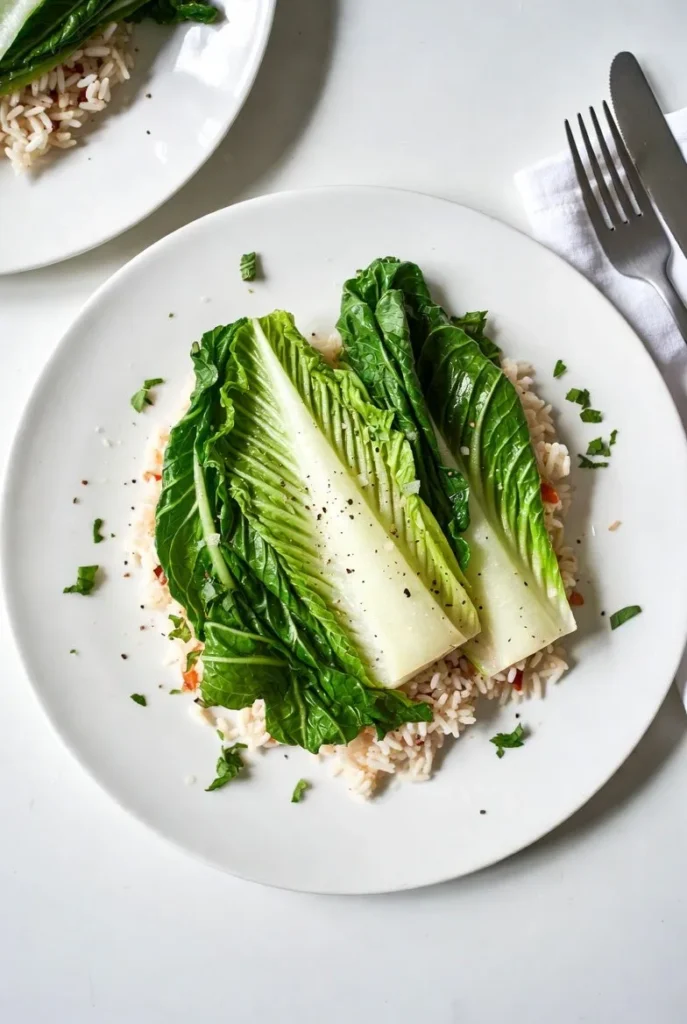
If you’re looking for a versatile and delicious ingredient to add to your meals, consider Napa cabbage recipes. This crunchy and slightly sweet vegetable is a staple in many Asian cuisines, and its mild flavor makes it a great addition to a variety of dishes.
Why You’ll Love This Recipe
Napa cabbage is an excellent source of vitamins and minerals, making it a healthy choice for any meal. It’s also incredibly versatile, and can be used in everything from salads and slaws to stir-fries and soups.
In this recipe, we’ll be using Napa cabbage to make a delicious and easy-to-make dish that’s perfect for any occasion.
Whether you’re a fan of Asian cuisine or just looking for a new ingredient to add to your repertoire, Napa cabbage is definitely worth trying. So let’s get started and explore the world of Napa cabbage recipes!
Ingredients
Here is everything you need to make this recipe from scratch.
1 head of Napa cabbage , This is the star of the show, and you’ll want to choose a fresh and crisp head of cabbage for the best results.
2 tablespoons of vegetable oil , This will be used for stir-frying the cabbage and other ingredients, so make sure to choose a high-quality oil with a neutral flavor.
1 onion, chopped , Onions add a sweet and savory flavor to the dish, and can be cooked until they’re soft and translucent.
2 cloves of garlic, minced , Garlic is a classic ingredient in many Asian dishes, and adds a pungent flavor to the recipe.
1 pound of ground beef or pork , This will be used to add protein and flavor to the dish, so choose a high-quality meat that’s lean and flavorful.
1 cup of cooked rice , Cooked rice is a staple in many Asian cuisines, and helps to soak up the flavorful sauce in this recipe.
2 tablespoons of soy sauce , Soy sauce is a classic ingredient in many Asian dishes, and adds a salty and umami flavor to the recipe.
1 tablespoon of oyster sauce (optional) , Oyster sauce is a common ingredient in many Asian dishes, and adds a rich and savory flavor to the recipe. If you don’t have oyster sauce, you can omit it or substitute it with hoisin sauce.
1 teaspoon of grated ginger , Ginger adds a spicy and warming flavor to the dish, and can be grated or minced depending on your preference.
Salt and pepper to taste , These will be used to season the dish and bring out the flavors of the other ingredients.
Why These Ingredients
Napa Cabbage
Napa cabbage is a type of Chinese cabbage that’s known for its crunchy texture and mild flavor. It’s an excellent source of vitamins and minerals, and is low in calories and high in fiber.
When choosing a head of Napa cabbage, look for one that’s fresh and crisp, with leaves that are tightly packed and free of blemishes.
Napa cabbage can be used in a variety of dishes, from salads and slaws to stir-fries and soups. It’s also a great ingredient to use in kimchi, a traditional Korean side dish that’s made with fermented vegetables.
Vegetable Oil
Vegetable oil is a neutral-tasting oil that’s perfect for stir-frying and sautéing. It has a high smoke point, which means it can be heated to high temperatures without burning or smoking.
When choosing a vegetable oil, look for one that’s high in quality and has a neutral flavor.
Some good options for vegetable oil include peanut oil, canola oil, and grapeseed oil. Avoid using oils with strong flavors, such as olive oil or coconut oil, as they can overpower the other ingredients in the dish.
Ground Beef or Pork
Ground beef or pork is a great source of protein and flavor in this recipe. It’s lean and flavorful, and can be cooked until it’s browned and crispy.
When choosing a ground meat, look for one that’s high in quality and has a good balance of fat and lean meat.
Ground beef and pork can be used interchangeably in this recipe, so feel free to choose the one that you prefer. If you’re looking for a leaner option, you can also use ground turkey or chicken.
Instructions
Let’s walk through every step in detail so your recipe turns out perfectly.
Step 1: Prepare the Cabbage , Start by rinsing the Napa cabbage under cold water, and then draining it well. Remove the tough outer leaves and cut the cabbage in half lengthwise.
Remove the core and cut the cabbage into thin strips.
Step 2: Cook the Rice , Cook the rice according to the package instructions, and then set it aside to cool. You can use either white or brown rice, depending on your preference.
Step 3: Cook the Meat , In a large skillet or wok, heat 1 tablespoon of vegetable oil over medium-high heat. Add the ground beef or pork and cook until it’s browned, breaking it up into small pieces as it cooks.
Step 4: Add the Aromatics , Once the meat is cooked, add the chopped onion and minced garlic to the skillet. Cook until the onion is translucent and the garlic is fragrant, stirring constantly to prevent burning.
Step 5: Add the Cabbage , Add the chopped Napa cabbage to the skillet, and cook until it’s tender and slightly caramelized. Stir in the cooked rice, soy sauce, oyster sauce (if using), and grated ginger.
Step 6: Season and Serve , Season the dish with salt and pepper to taste, and then serve it hot over cooked rice or noodles. You can garnish with chopped green onions and sesame seeds, if desired.
How To Serve
This Napa cabbage recipe is incredibly versatile, and can be served in a variety of ways. Here are a few ideas to get you started:
Serve the Napa cabbage recipe over cooked rice or noodles, and garnish with chopped green onions and sesame seeds. This is a great way to enjoy the dish as a main course or side dish.
Use the Napa cabbage recipe as a filling for tacos or lettuce wraps. Simply add your favorite toppings, such as sliced avocado or sour cream, and serve.
Add the Napa cabbage recipe to a stir-fry or sauté, along with your favorite protein and vegetables. This is a great way to add some extra flavor and nutrition to your meal.
Serve the Napa cabbage recipe as a side dish, along with your favorite Asian-inspired dishes. It pairs well with dishes like beef and broccoli or chicken stir-fry.
How To Keep Leftovers
Room Temperature
This Napa cabbage recipe can be stored at room temperature for up to 2 hours, but it’s best to refrigerate or freeze it as soon as possible to prevent spoilage. If you do need to store it at room temperature, make sure to keep it in a cool and dry place, away from direct sunlight.
When storing the recipe at room temperature, make sure to keep it in a covered container to prevent contamination and spoilage. You can use a glass or plastic container with a tight-fitting lid, or cover the dish with plastic wrap or aluminum foil.
Refrigerator
The Napa cabbage recipe can be stored in the refrigerator for up to 3 days, and can be reheated as needed. To refrigerate the recipe, simply place it in a covered container and store it in the fridge at a temperature of 40°F (4°C) or below.
When reheating the recipe, make sure to heat it to an internal temperature of 165°F (74°C) to prevent foodborne illness. You can reheat it in the microwave or on the stovetop, stirring occasionally to prevent burning.
Freezer
The Napa cabbage recipe can be frozen for up to 3 months, and can be reheated as needed. To freeze the recipe, simply place it in a covered container or freezer bag and store it in the freezer at a temperature of 0°F (-18°C) or below.
When reheating the frozen recipe, make sure to thaw it first in the refrigerator or at room temperature, and then reheat it to an internal temperature of 165°F (74°C). You can reheat it in the microwave or on the stovetop, stirring occasionally to prevent burning.
Top Tips
Choose Fresh Ingredients
When making this Napa cabbage recipe, it’s essential to choose fresh and high-quality ingredients. This will ensure that the dish is flavorful and nutritious, and that it turns out well.
Make sure to choose a fresh head of Napa cabbage, and to use high quality protein and spices. This will make a big difference in the flavor and texture of the dish.
Don’t Overcook the Cabbage
Napa cabbage can be delicate, and it’s easy to overcook it. To prevent this, make sure to cook the cabbage until it’s tender but still crisp, and then remove it from the heat.
Overcooking the cabbage can make it mushy and unappetizing, so it’s essential to cook it just until it’s done. You can check the cabbage for doneness by tasting it or checking its texture.
Customize the Recipe
This Napa cabbage recipe is highly customizable, and you can add your favorite ingredients to make it your own. Consider adding sliced bell peppers or carrots, or using different types of protein or spices.
Don’t be afraid to experiment and try new things , this is a great way to make the recipe your own and to add some extra flavor and nutrition.
Final Thoughts
Napa cabbage recipes are a great way to add some extra flavor and nutrition to your meals. With its crunchy texture and mild flavor, Napa cabbage is a versatile ingredient that can be used in a variety of dishes.
Whether you’re making a simple stir fry or a complex Asian inspired dish, Napa cabbage is a great choice.
Napa Cabbage Recipes: Exploring the Flavors of Asia
Ingredients
Instructions
-
Preheat the wok or large skillet over medium-high heat.
-
Add 1 tablespoon of vegetable oil and swirl it around to coat the pan.
-
Add the chopped onion and minced garlic and cook until the onion is translucent.
-
Add the ground beef or pork and cook until it's browned, breaking it up into small pieces as it cooks.
-
Add the chopped Napa cabbage and cook until it's tender and slightly caramelized.
-
Stir in the cooked rice, soy sauce, oyster sauce (if using), and grated ginger.
-
Season with salt and pepper to taste, and serve hot over cooked rice or noodles.
Nutrition Facts
Servings 4
- Amount Per Serving
- Calories 320kcal
- % Daily Value *
- Cholesterol 60mg20%
- Sodium 400mg17%
- Potassium 800mg23%
- Total Carbohydrate 20g7%
- Dietary Fiber 5g20%
- Sugars 5g
- Protein 25g50%
- Vitamin A 10 IU
- Vitamin C 20 mg
- Calcium 10 mg
- Iron 15 mg
- Vitamin E 10 IU
- Vitamin K 25 mcg
- Thiamin 10 mg
- Riboflavin 15 mg
- Niacin 20 mg
- Vitamin B6 10 mg
- Folate 25 mcg
- Vitamin B12 20 mcg
- Biotin 10 mcg
- Pantothenic Acid 15 mg
- Phosphorus 20 mg
- Iodine 10 mcg
- Magnesium 15 mg
- Zinc 10 mg
- Selenium 20 mcg
- Copper 10 mg
- Manganese 15 mg
- Chromium 10 mcg
- Molybdenum 10 mcg
- Chloride 20 mg
* Percent Daily Values are based on a 2,000 calorie diet. Your daily value may be higher or lower depending on your calorie needs.
Note
You can customize this recipe to your taste by adding your favorite ingredients or spices. Consider adding sliced bell peppers or carrots, or using different types of protein or spices.
Frequently Asked Questions
Is this recipe easy to make?
Yes, this recipe is very beginner-friendly and comes together in under 30 minutes.
Can I make it ahead of time?
Absolutely. You can prepare it up to 2 days in advance and store it in the fridge.
What can I serve this recipe with?
You can serve this recipe with cooked rice, noodles, or as a filling for tacos or lettuce wraps.