

This post may contain affiliate links. Please read my disclosure policy .
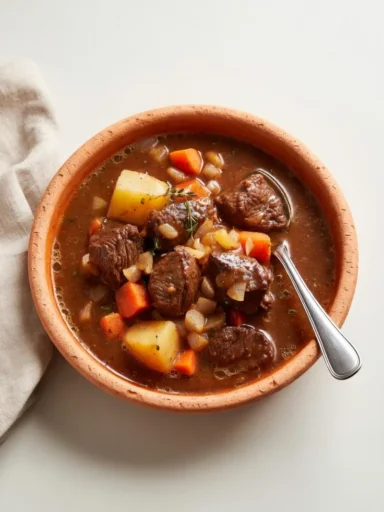
Are you looking for a delicious and comforting Irish stew recipe that’s also low in carbs? Look no further than this Low Carb Dublin Coddle recipe, a traditional Irish dish made with sausage, bacon, and vegetables in a rich and flavorful broth.
Why You’ll Love This Recipe
This Low Carb Dublin Coddle recipe is perfect for anyone following a low-carb diet or just looking for a hearty and satisfying meal. The combination of sausage, bacon, and vegetables is a classic Irish combination that’s sure to please even the pickiest of eaters.
Plus, it’s easy to make and can be cooked in under an hour, making it a great option for a weeknight dinner.
So, what makes this recipe so special? For starters, it’s a traditional Irish dish that’s been passed down for generations.
The combination of sausage, bacon, and vegetables is a classic Irish combination that’s sure to please even the pickiest of eaters. And, with a few simple substitutions, this recipe can be made low-carb friendly, making it a great option for anyone following a low-carb diet.
Ingredients
Here is everything you need to make this Low Carb Dublin Coddle recipe from scratch.
1 pound Irish sausage , look for a low-carb option, such as a sausage made with pork and seasonings, and no added sugars or fillers.
6 slices of bacon , use a thick-cut bacon for the best flavor, and look for a low-carb option, such as a bacon made with pork belly and no added sugars or nitrates.
1 large onion , use a sweet onion, such as a Vidalia or Maui onion, for the best flavor.
3 cloves of garlic , use fresh garlic for the best flavor, and mince it before adding it to the recipe.
2 medium-sized carrots , use a low-carb option, such as a carrot made with fewer carbs, and slice them thinly before adding them to the recipe.
2 medium-sized turnips , use a low-carb option, such as a turnip made with fewer carbs, and slice them thinly before adding them to the recipe.
1 large head of cabbage , use a low-carb option, such as a cabbage made with fewer carbs, and slice it thinly before adding it to the recipe.
2 tablespoons of butter , use a low-carb option, such as a butter made with grass-fed cows, and melt it before adding it to the recipe.
1 teaspoon of dried thyme , use fresh thyme for the best flavor, and chop it before adding it to the recipe.
1 teaspoon of dried rosemary , use fresh rosemary for the best flavor, and chop it before adding it to the recipe.
1 bay leaf , use a fresh bay leaf for the best flavor, and remove it before serving the recipe.
1 teaspoon of salt , use a low-carb option, such as a salt made with sea salt, and add it to taste.
1/2 teaspoon of black pepper , use a low-carb option, such as a pepper made with black peppercorns, and add it to taste.
Why These Ingredients
Irish Sausage
The Irish sausage is the star of this recipe, and it’s what gives the dish its traditional Irish flavor. Look for a low-carb option, such as a sausage made with pork and seasonings, and no added sugars or fillers.
You can also use a homemade sausage recipe if you prefer.
The sausage is cooked in the recipe with the bacon and vegetables, and it adds a rich and meaty flavor to the dish. You can also use other types of sausage, such as chorizo or Knockwurst, if you prefer.
When cooking the sausage, make sure to brown it on all sides to get a nice crust on the outside. This will add texture and flavor to the dish, and it’s an important step in making a traditional Irish stew.
Bacon
The bacon is another important ingredient in this recipe, and it adds a smoky and savory flavor to the dish. Use a thick-cut bacon for the best flavor, and look for a low-carb option, such as a bacon made with pork belly and no added sugars or nitrates.
The bacon is cooked in the recipe with the sausage and vegetables, and it adds a rich and meaty flavor to the dish. You can also use other types of bacon, such as Canadian bacon or turkey bacon, if you prefer.
When cooking the bacon, make sure to crisp it up on all sides to get a nice texture. This will add flavor and texture to the dish, and it’s an important step in making a traditional Irish stew.
Instructions
Let’s walk through every step in detail so your Low Carb Dublin Coddle recipe turns out perfectly.
Step 1: Cook the Bacon , cook the bacon in a large skillet over medium-high heat until crispy, then remove it from the skillet and set it aside.
Step 2: Cook the Sausage , cook the sausage in the same skillet as the bacon, browning it on all sides, then remove it from the skillet and set it aside with the bacon.
Step 3: Cook the Vegetables , cook the onion, garlic, carrots, turnips, and cabbage in the same skillet as the sausage and bacon, until they’re tender and lightly browned.
Step 4: Add the Broth and Seasonings , add the broth, thyme, rosemary, bay leaf, salt, and pepper to the skillet, and stir to combine.
Step 5: Simmer the Stew , bring the stew to a boil, then reduce the heat to low and simmer for 20-25 minutes, or until the flavors have melded together and the vegetables are tender.
Step 6: Serve the Stew , serve the stew hot, garnished with fresh thyme and rosemary, and a side of low-carb bread or crackers, if desired.
How To Serve
This Low Carb Dublin Coddle recipe is perfect for serving on a cold winter’s night, or for a special occasion, such as St. Patrick’s Day.
Here are a few serving suggestions:
Serve the stew hot, garnished with fresh thyme and rosemary, and a side of low-carb bread or crackers, if desired.
Serve the stew with a side of roasted vegetables, such as Brussels sprouts or broccoli, for a well rounded and filling meal.
Serve the stew with a side of cauliflower mash or low carb mashed potatoes, for a comforting and satisfying side dish.
Serve the stew with a side of sautéed spinach or kale, for a nutritious and delicious side dish.
How To Keep Leftovers
Room Temperature
Store the stew at room temperature for up to 2 hours, then refrigerate or freeze it for later use. Make sure to store the stew in a covered container, such as a glass or plastic container with a tight fitting lid.
When storing the stew at room temperature, make sure to keep it away from direct sunlight and heat sources, as this can cause the stew to spoil or become contaminated.
When reheating the stew, make sure to heat it to an internal temperature of 165°F (74°C) to ensure food safety.
Refrigerator
Store the stew in the refrigerator for up to 3-4 days, then freeze it for later use. Make sure to store the stew in a covered container, such as a glass or plastic container with a tight-fitting lid.
When storing the stew in the refrigerator, make sure to keep it at a consistent refrigerator temperature of 40°F (4°C) or below.
When reheating the stew, make sure to heat it to an internal temperature of 165°F (74°C) to ensure food safety.
Freezer
Store the stew in the freezer for up to 3-4 months, then thaw and reheat it for later use. Make sure to store the stew in a covered container, such as a glass or plastic container with a tight-fitting lid, or a freezer-safe bag.
When storing the stew in the freezer, make sure to keep it at a consistent freezer temperature of 0°F (-18°C) or below.
When thawing and reheating the stew, make sure to heat it to an internal temperature of 165°F (74°C) to ensure food safety.
Top Tips
Use High Quality Ingredients
Use high quality ingredients, such as grass fed beef and organic vegetables, to get the best flavor and nutrition out of your Low Carb Dublin Coddle recipe.
When shopping for ingredients, make sure to read the labels and look for products that are free from added sugars, nitrates, and other unwanted ingredients.
Cook the Stew Low and Slow
Cook the stew low and slow, over a period of 20-25 minutes, to get the best flavor and texture out of the ingredients.
When cooking the stew, make sure to stir it occasionally to prevent the ingredients from sticking to the bottom of the pot.
Use a Variety of Vegetables
Use a variety of vegetables, such as carrots, turnips, and cabbage, to get a range of flavors and textures in your Low Carb Dublin Coddle recipe.
When cooking the vegetables, make sure to cook them until they’re tender and lightly browned, to get the best flavor and texture out of them.
Experiment with Different Seasonings
Experiment with different seasonings, such as thyme, rosemary, and bay leaves, to get a unique and delicious flavor in your Low Carb Dublin Coddle recipe.
When using seasonings, make sure to use them in moderation, as they can overpower the other ingredients in the recipe.
Make it a One-Pot Meal
Make the Low Carb Dublin Coddle recipe a one pot meal, by cooking the stew and the vegetables in the same pot, to make it easy and convenient to prepare and clean up.
When making a one pot meal, make sure to use a large enough pot, to accommodate all the ingredients, and to stir the stew occasionally, to prevent the ingredients from sticking to the bottom of the pot.
Final Thoughts
This Low Carb Dublin Coddle recipe is a hearty and delicious Irish stew that’s perfect for serving on a cold winter’s night, or for a special occasion, such as St. Patrick’s Day.
With its rich and flavorful broth, and tender and juicy ingredients, it’s a dish that’s sure to please even the pickiest of eaters. So why not give it a try, and see for yourself why it’s a classic Irish recipe that’s been passed down for generations?
Low Carb Dublin Coddle: A Hearty Irish Stew Recipe
Description
This Low Carb Dublin Coddle recipe is a hearty and delicious Irish stew that's perfect for serving on a cold winter's night, or for a special occasion, such as St. Patrick's Day. With its rich and flavorful broth, and tender and juicy ingredients, it's a dish that's sure to please even the pickiest of eaters.
Ingredients
Instructions
-
Preheat the oven to 180 degrees and cook the bacon until crispy.
-
Cook the sausage in the same skillet as the bacon, browning it on all sides.
-
Cook the onion, garlic, carrots, turnips, and cabbage in the same skillet as the sausage and bacon, until they're tender and lightly browned.
-
Add the broth, thyme, rosemary, bay leaf, salt, and pepper to the skillet, and stir to combine.
-
Bring the stew to a boil, then reduce the heat to low and simmer for 20-25 minutes, or until the flavors have melded together and the vegetables are tender.
Nutrition Facts
Servings 4
- Amount Per Serving
- Calories 320kcal
- % Daily Value *
- Cholesterol 60mg20%
- Sodium 400mg17%
- Potassium 800mg23%
- Total Carbohydrate 10g4%
- Dietary Fiber 5g20%
- Sugars 5g
- Protein 20g40%
- Vitamin A 10 IU
- Vitamin C 20 mg
- Calcium 10 mg
- Iron 15 mg
- Vitamin E 10 IU
- Vitamin K 20 mcg
- Thiamin 10 mg
- Riboflavin 10 mg
- Niacin 10 mg
- Vitamin B6 10 mg
- Folate 20 mcg
- Vitamin B12 10 mcg
- Biotin 10 mcg
- Pantothenic Acid 10 mg
- Phosphorus 10 mg
- Iodine 10 mcg
- Magnesium 10 mg
- Zinc 10 mg
- Selenium 10 mcg
- Copper 10 mg
- Manganese 10 mg
- Chromium 10 mcg
- Molybdenum 10 mcg
- Chloride 10 mg
* Percent Daily Values are based on a 2,000 calorie diet. Your daily value may be higher or lower depending on your calorie needs.
Note
You can make this recipe ahead of time, and store it in the refrigerator or freezer for later use. You can also add other ingredients, such as potatoes, carrots, or other vegetables, to the recipe, but make sure to adjust the cooking time and seasoning accordingly.
Frequently Asked Questions
Is this recipe easy to make?
Yes, this recipe is very easy to make, and requires minimal ingredients and preparation time.
Can I make it ahead of time?
Yes, you can make this recipe ahead of time, and store it in the refrigerator or freezer for later use.
What type of sausage should I use?
You can use any type of sausage you like, but a traditional Irish sausage, such as banger or Knockwurst, works best.
Can I add other ingredients to the recipe?
Yes, you can add other ingredients, such as potatoes, carrots, or other vegetables, to the recipe, but make sure to adjust the cooking time and seasoning accordingly.