
This post may contain affiliate links. Please read my disclosure policy .
Looking for a seafood dish that’s both elegant and easy to make? Halibut recipes are a great choice, and when paired with a bright and citrusy lemon caper sauce, you’ve got a match made in heaven.
In this recipe, we’ll walk you through how to prepare pan-seared halibut with a delicious and tangy sauce that’s perfect for any occasion.
Why You’ll Love This Recipe
This halibut recipe is a game-changer for anyone who loves seafood. The combination of crispy, golden-brown fish and a rich, creamy sauce is absolute perfection.
Plus, it’s ready in under 30 minutes, making it a great option for a quick and impressive weeknight dinner. And the best part?
It’s incredibly versatile – you can serve it with a side of roasted vegetables, quinoa, or even a simple green salad.
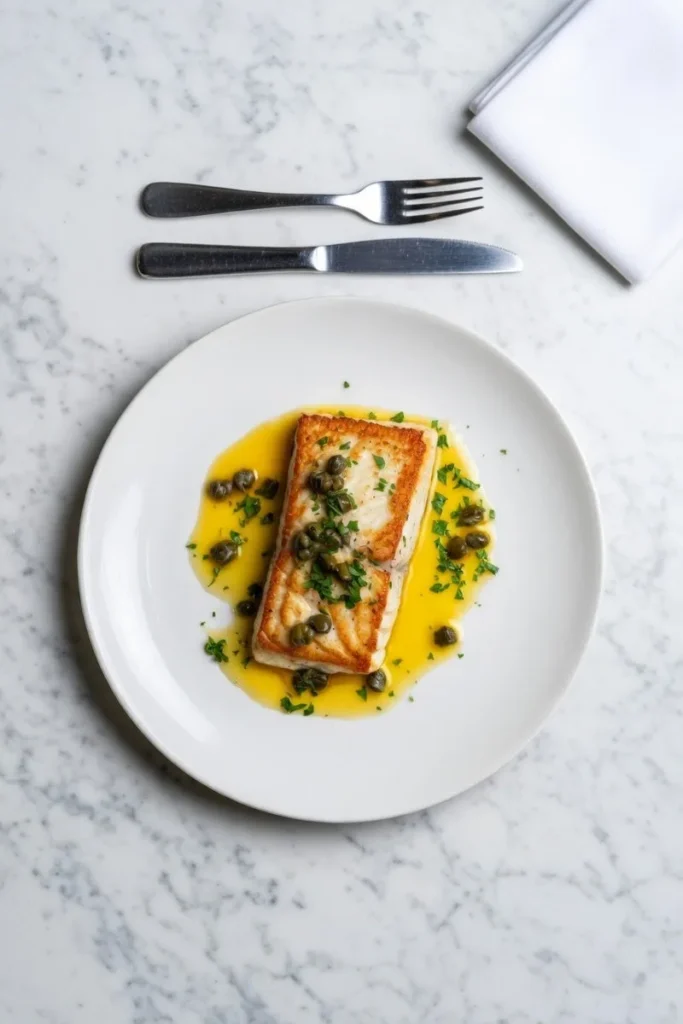
So, what makes this recipe so special? For starters, the pan-searing process gives the halibut a beautiful crust on the outside, while keeping the inside tender and flaky.
And the lemon caper sauce? It’s the perfect complement to the rich flavor of the fish, with a nice balance of bright, citrusy notes and deep, savory flavors.
Ingredients
Here’s what you’ll need to make this recipe from scratch:
4 halibut fillets (6 ounces each) , Fresh and sustainable halibut is essential for this recipe. Look for fillets that are firm to the touch and have a pleasant ocean scent.
2 tablespoons olive oil , A good quality olive oil is necessary for pan-searing the halibut. It adds a rich, fruity flavor to the dish and helps to create a crispy crust on the fish.
2 tablespoons freshly squeezed lemon juice , Fresh lemon juice is a must for this recipe. It adds a bright, citrusy flavor to the sauce and helps to balance out the richness of the fish.
1 tablespoon white wine , A dry white wine is necessary for adding depth and complexity to the sauce. You can use any type of white wine you like, but a dry Riesling or Pinot Grigio works particularly well.
1 tablespoon chopped fresh parsley , Fresh parsley adds a nice pop of color and freshness to the dish. You can also use other herbs like dill or basil if you prefer.
1 tablespoon chopped fresh capers , Capers are a key ingredient in this recipe, adding a salty, tangy flavor to the sauce. Look for capers that are packed in salt or vinegar for the best flavor.
2 cloves garlic, minced , Garlic is a fundamental ingredient in many sauces, and it adds a deep, rich flavor to this recipe. You can use more or less garlic depending on your personal taste.
1 teaspoon Dijon mustard , Dijon mustard adds a nice tanginess to the sauce and helps to balance out the flavors. You can use other types of mustard if you prefer, but Dijon works particularly well.
Salt and pepper to taste , As with any recipe, it’s essential to season the dish with salt and pepper to bring out the flavors. Use freshly ground pepper for the best flavor.
Why These Ingredients
Halibut Fillets
Halibut is a firm-fleshed fish that’s perfect for pan-searing. It has a rich, buttery flavor and a firm texture that holds up well to high heat.
When shopping for halibut, look for fillets that are fresh and sustainable. You can also use other types of fish like cod or tilapia if you prefer, but halibut is the best choice for this recipe.
Olive Oil
Olive oil is a fundamental ingredient in many recipes, and it’s essential for pan-searing the halibut. It adds a rich, fruity flavor to the dish and helps to create a crispy crust on the fish.
Use a good quality olive oil that’s fresh and has a pleasant flavor.
Lemon Juice
Fresh lemon juice is a must for this recipe. It adds a bright, citrusy flavor to the sauce and helps to balance out the richness of the fish.
You can use bottled lemon juice if you prefer, but fresh is always best.
White Wine
A dry white wine is necessary for adding depth and complexity to the sauce. You can use any type of white wine you like, but a dry Riesling or Pinot Grigio works particularly well.
If you don’t have white wine, you can substitute it with chicken or fish stock.
Instructions
Now that we’ve covered the ingredients, let’s walk through the instructions for this recipe. It’s relatively simple, but there are a few key steps to follow to ensure that your halibut turns out perfectly cooked and your sauce is rich and flavorful.
Step 1: Prepare the Halibut , Rinse the halibut fillets under cold water and pat them dry with paper towels. Season both sides of the fish with salt and pepper.
This step is essential for removing any excess moisture from the fish and helping it to cook evenly.
Step 2: Pan-Sear the Halibut , Heat the olive oil in a large skillet over medium-high heat. Add the halibut fillets to the skillet, skin side up (if they have skin).
Cook for 3-4 minutes, or until the skin is crispy and golden brown. Flip the fish over and cook for an additional 3-4 minutes, or until it’s cooked through and flakes easily with a fork.
This step is crucial for creating a crispy crust on the fish and cooking it evenly.
Step 3: Make the Sauce , In a small saucepan, combine the lemon juice, white wine, garlic, and Dijon mustard. Bring the mixture to a simmer over medium heat and cook until it’s reduced by half, stirring occasionally.
This step is essential for creating a rich and flavorful sauce that complements the fish perfectly.
Step 4: Add the Capers and Parsley , Stir in the chopped capers and parsley into the sauce. Cook for an additional minute, or until the sauce has thickened slightly.
This step is necessary for adding a salty, tangy flavor to the sauce and a nice pop of color.
Step 5: Serve the Halibut with Sauce , Place the cooked halibut fillets on a plate and spoon the lemon caper sauce over the top. Serve immediately, garnished with additional parsley if desired.
This step is the final touch to a perfect dish – the combination of crispy fish and tangy sauce is absolute perfection.
How To Serve
This halibut recipe is incredibly versatile, and there are many ways to serve it. Here are a few ideas to get you started:
Serve the halibut with a side of roasted vegetables, such as asparagus or Brussels sprouts, for a healthy and balanced meal. Simply toss the vegetables in olive oil, salt, and pepper, and roast them in the oven until tender and caramelized.
Pair the halibut with a quinoa or brown rice bowl, topped with chopped herbs and a squeeze of lemon juice. This is a great option for a quick and easy weeknight dinner.
Serve the halibut with a simple green salad, tossed in a light vinaigrette and topped with chopped nuts or seeds. This is a great option for a light and refreshing lunch or dinner.
Try serving the halibut with a side of garlic mashed potatoes or roasted sweet potatoes for a comforting and indulgent meal. Simply boil or roast the potatoes until tender, then mash with butter, milk, and garlic.
How To Keep Leftovers
Room Temperature
It’s not recommended to leave cooked halibut at room temperature for an extended period. However, if you need to store it for a short time, make sure it’s covered with plastic wrap or aluminum foil and kept in a cool, dry place.
Do not leave it at room temperature for more than 2 hours.
Refrigerator
Cooked halibut can be stored in the refrigerator for up to 3 days. Place it in an airtight container, such as a glass or plastic container with a tight-fitting lid, and keep it refrigerated at a temperature of 40°F (4°C) or below.
When you’re ready to reheat, simply microwave or oven-heat the fish until it’s warmed through.
Freezer
Cooked halibut can be frozen for up to 3 months. Place it in an airtight container or freezer bag, making sure to press out as much air as possible before sealing.
When you’re ready to reheat, simply thaw the fish overnight in the refrigerator and then reheat it in the microwave or oven until warmed through.
Top Tips
Use Fresh and Sustainable Halibut
When shopping for halibut, look for fillets that are fresh and sustainable. This will ensure that your fish is not only delicious but also good for the environment.
Don’t Overcook the Halibut
Halibut is a delicate fish that can easily become overcooked. Make sure to cook it until it’s just done, and then remove it from the heat.
This will help to preserve the texture and flavor of the fish.
Use a Good Quality Olive Oil
A good quality olive oil is essential for pan-searing the halibut. It adds a rich, fruity flavor to the dish and helps to create a crispy crust on the fish.
Don’t Skip the Lemon Caper Sauce
The lemon caper sauce is a key component of this recipe, and it adds a bright, citrusy flavor to the dish. Don’t skip it, or you’ll be missing out on a lot of flavor.
Experiment with Different Herbs and Spices
While parsley and capers are a classic combination, feel free to experiment with different herbs and spices to find the flavor that you like best. Some other options might include dill, basil, or thyme.
Final Thoughts
In conclusion, this halibut recipe with lemon caper sauce is a game-changer for anyone who loves seafood. It’s easy to make, delicious, and perfect for any occasion.
Whether you’re looking for a quick and impressive weeknight dinner or a special dish for a dinner party, this recipe is sure to please.”
Halibut Recipes: Pan-Seared Perfection with Lemon Caper Sauce
Description
This pan-seared halibut recipe with lemon caper sauce is a game-changer for anyone who loves seafood. It's easy to make, delicious, and perfect for any occasion. With a crispy crust on the outside and a tender, flaky interior, this halibut is sure to please even the pickiest eaters. And the lemon caper sauce? It's the perfect complement to the rich flavor of the fish, with a nice balance of bright, citrusy notes and deep, savory flavors.
Ingredients
Instructions
-
Preheat the oven to 180?C (350?F) and line a baking tray with parchment paper.
-
Heat the olive oil in a large skillet over medium-high heat and add the halibut fillets, skin side up (if they have skin).
-
Cook the halibut for 3-4 minutes, or until the skin is crispy and golden brown, then flip it over and cook for an additional 3-4 minutes, or until it's cooked through and flakes easily with a fork.
-
In a small saucepan, combine the lemon juice, white wine, garlic, and Dijon mustard, and bring the mixture to a simmer over medium heat, cooking until it's reduced by half, stirring occasionally.
-
Stir in the chopped capers and parsley into the sauce and cook for an additional minute, or until the sauce has thickened slightly.
-
Serve the halibut with the lemon caper sauce spooned over the top, garnished with additional parsley if desired.
Nutrition Facts
Servings 4
- Amount Per Serving
- Calories 320kcal
- % Daily Value *
- Cholesterol 60mg20%
- Sodium 400mg17%
- Potassium 800mg23%
- Total Carbohydrate 10g4%
- Dietary Fiber 2g8%
- Sugars 2g
- Protein 35g70%
- Vitamin A 10 IU
- Vitamin C 20 mg
- Calcium 10 mg
- Iron 10 mg
- Vitamin D 10 IU
- Vitamin E 10 IU
- Vitamin K 20 mcg
- Thiamin 10 mg
- Riboflavin 10 mg
- Niacin 20 mg
- Vitamin B6 10 mg
- Folate 20 mcg
- Vitamin B12 10 mcg
- Biotin 10 mcg
- Pantothenic Acid 10 mg
- Phosphorus 20 mg
- Iodine 10 mcg
- Magnesium 20 mg
- Zinc 10 mg
- Selenium 20 mcg
- Copper 10 mg
- Manganese 10 mg
- Chromium 10 mcg
- Molybdenum 10 mcg
- Chloride 20 mg
* Percent Daily Values are based on a 2,000 calorie diet. Your daily value may be higher or lower depending on your calorie needs.
Note
You can substitute other types of fish for the halibut, but it's the best choice for this recipe. Also, make sure to not overcook the halibut, as it can become dry and tough.
Frequently Asked Questions
Is this recipe easy to make?
Yes, this recipe is very beginner-friendly and comes together in under 30 minutes.
Can I make it ahead of time?
Absolutely. You can prepare it up to 2 days in advance and store it in the fridge.
What type of fish can I use instead of halibut?
You can use other types of fish like cod or tilapia, but halibut is the best choice for this recipe.