
This post may contain affiliate links. Please read my disclosure policy .
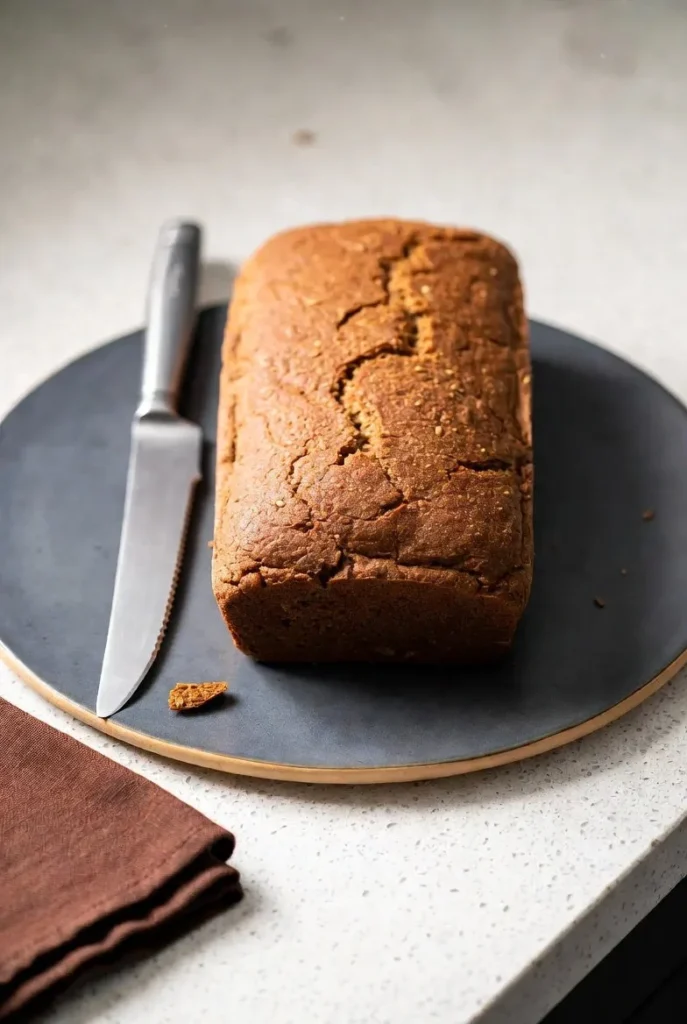
If you’re looking for a delicious and comforting bread that’s perfect for any time of day, you’ll love this Gluten Free Irish Brown Bread recipe. Made with wholesome ingredients and free from gluten, this bread is a great option for those with dietary restrictions.
Why You’ll Love This Recipe
This Gluten Free Irish Brown Bread recipe is a game-changer for anyone who loves traditional Irish bread but needs to avoid gluten. The combination of gluten-free flours, buttermilk, and a touch of sugar creates a tender and flavorful crumb that’s perfect for serving alongside your favorite soups, stews, or as a side to your favorite meals.
The best part? This recipe is incredibly easy to make and requires minimal ingredients, making it a great option for beginners or experienced bakers alike.
Ingredients
To make this Gluten Free Irish Brown Bread, you’ll need the following ingredients:
2 cups gluten-free all-purpose flour , This is the base of our bread and provides structure and texture. We’re using a gluten-free all-purpose flour blend that contains a mix of rice flour, potato starch, and tapioca flour.
1 cup buttermilk , The acidity in the buttermilk helps to react with the baking soda and creates a light and tender crumb. If you don’t have buttermilk, you can make a substitute by mixing 1 cup of milk with 1 tablespoon of white vinegar or lemon juice.
1/4 cup granulated sugar , A touch of sugar helps to balance out the flavors in the bread and creates a slightly sweet taste.
1 teaspoon baking soda , This is a crucial ingredient in Irish bread and helps to create the signature rise and texture.
1 teaspoon salt , A pinch of salt enhances the flavors in the bread and helps to control the yeast growth.
2 tablespoons unsalted butter, melted , Melted butter adds moisture and tenderness to the bread, creating a delicious and comforting treat.
1 egg, beaten , The egg helps to enrich the bread and creates a tender and moist crumb.
Why These Ingredients
Gluten-Free All-Purpose Flour
Using a gluten-free all purpose flour blend is essential for this recipe, as it provides structure and texture to the bread. The blend of rice flour, potato starch, and tapioca flour creates a tender and delicate crumb that’s perfect for Irish bread.
When choosing a gluten free flour blend, make sure to select one that contains a mix of these ingredients, as it will provide the best results.
If you’re new to gluten free baking, don’t worry , this flour blend is easy to work with and creates a delicious and authentic Irish bread.
Buttermilk
Buttermilk is a crucial ingredient in Irish bread, as it provides acidity and helps to react with the baking soda. This reaction creates a light and tender crumb that’s perfect for serving alongside your favorite meals.
If you don’t have buttermilk, you can make a substitute by mixing 1 cup of milk with 1 tablespoon of white vinegar or lemon juice. Let it sit for 5-10 minutes to allow the mixture to curdle and thicken.
Using buttermilk or a buttermilk substitute will create a more authentic Irish bread flavor and texture.
Instructions
Now that we have our ingredients, let’s move on to the instructions. This recipe is incredibly easy to follow, and with a few simple steps, you’ll have a delicious Gluten Free Irish Brown Bread in no time.
Step 1: Preheat and Prep , Preheat your oven to 375°F (190°C) and line a 9×5-inch loaf pan with parchment paper. This will help the bread to release easily and create a clean edge.
Step 2: Mix Dry Ingredients , In a large mixing bowl, whisk together the gluten-free flour, sugar, baking soda, and salt until well combined. Make sure to whisk the ingredients thoroughly to avoid any lumps or uneven distribution.
Step 3: Combine Wet Ingredients , In a separate bowl, whisk together the buttermilk, melted butter, and beaten egg until smooth. This mixture will create a creamy and tender crumb.
Step 4: Combine Wet and Dry Ingredients , Pour the wet ingredients into the dry ingredients and mix until a shaggy dough forms. Don’t overmix the dough, as it can create a dense and tough bread.
Step 5: Knead the Dough , Turn the dough out onto a floured surface and knead for 5-10 minutes, until the dough becomes smooth and elastic. This will help to develop the gluten-free flours and create a tender crumb.
Step 6: Shape the Dough , Shape the dough into a round or oblong loaf and place it into the prepared loaf pan. Make sure to smooth the top of the dough and create a clean edge.
Step 7: Bake the Bread , Bake the bread for 35-40 minutes, or until it’s golden brown and sounds hollow when tapped on the bottom. This will create a crispy crust and a tender crumb.
How To Serve
This Gluten Free Irish Brown Bread is perfect for serving alongside your favorite soups, stews, or as a side to your favorite meals. Here are a few serving suggestions:
Serve the bread warm, sliced and topped with a pat of butter or a sprinkle of sea salt. This is a classic way to enjoy Irish bread and creates a delicious and comforting treat.
Use the bread to make sandwiches, such as a hearty Irish sandwich with corned beef, cabbage, and mustard. This is a great way to enjoy the bread and create a satisfying meal.
Toast the bread and top it with avocado, eggs, or smoked salmon for a delicious breakfast or brunch option. This is a great way to add some variety to your breakfast routine and enjoy the bread in a new way.
Serve the bread alongside a warm bowl of soup, such as Irish stew or creamy tomato soup. This is a perfect way to enjoy the bread and create a comforting meal.
How To Keep Leftovers
Room Temperature
The bread can be stored at room temperature for up to 2 days. Simply wrap the bread in plastic wrap or aluminum foil and store it in a cool, dry place.
This will help to keep the bread fresh and prevent it from becoming stale.
To refresh the bread, simply wrap it in foil and bake it in a preheated oven at 350°F (180°C) for 5-10 minutes. This will help to restore the bread’s texture and flavor.
Refrigerator
The bread can be stored in the refrigerator for up to 5 days. Simply wrap the bread in plastic wrap or aluminum foil and store it in the refrigerator.
This will help to keep the bread fresh and prevent it from becoming moldy.
To refresh the bread, simply wrap it in foil and bake it in a preheated oven at 350°F (180°C) for 10-15 minutes. This will help to restore the bread’s texture and flavor.
Freezer
The bread can be frozen for up to 2 months. Simply wrap the bread in plastic wrap or aluminum foil and store it in a freezer-safe bag.
This will help to keep the bread fresh and prevent it from becoming freezer burned.
To thaw the bread, simply remove it from the freezer and let it thaw at room temperature for a few hours. Alternatively, you can wrap the bread in foil and bake it in a preheated oven at 350°F (180°C) for 15-20 minutes.
This will help to restore the bread’s texture and flavor.
Top Tips
Use the Right Flour Blend
Using the right gluten free flour blend is crucial for this recipe. Make sure to select a blend that contains a mix of rice flour, potato starch, and tapioca flour, as it will provide the best results.
Avoid using a single type gluten free flour, such as almond flour or coconut flour, as it can create a dense and heavy bread.
Don’t Overmix the Dough
Overmixing the dough can create a dense and tough bread. Make sure to mix the ingredients just until they come together in a shaggy dough, and then stop mixing.
Let the dough rest for a few minutes to allow the gluten-free flours to absorb the liquid ingredients. This will help to create a tender and delicious crumb.
Use Buttermilk or a Buttermilk Substitute
Using buttermilk or a buttermilk substitute is crucial for this recipe, as it provides acidity and helps to react with the baking soda. This reaction creates a light and tender crumb that’s perfect for Irish bread.
If you don’t have buttermilk, you can make a substitute by mixing 1 cup of milk with 1 tablespoon of white vinegar or lemon juice. Let it sit for 5-10 minutes to allow the mixture to curdle and thicken.
Final Thoughts
This Gluten Free Irish Brown Bread recipe is a game-changer for anyone who loves traditional Irish bread but needs to avoid gluten.
With its tender and flavorful crumb, this bread is perfect for serving alongside your favorite soups, stews, or as a side to your favorite meals.
So go ahead, give it a try, and enjoy the delicious taste of Ireland in every bite!
Gluten Free Irish Brown Bread: A Hearty and Comforting Treat
Description
This Gluten Free Irish Brown Bread recipe is a delicious and comforting treat that's perfect for serving alongside your favorite soups, stews, or as a side to your favorite meals. Made with wholesome ingredients and free from gluten, this bread is a great option for those with dietary restrictions.
Ingredients
Instructions
-
Preheat the oven to 190?C and line a 9x5-inch loaf pan with parchment paper.
-
In a large mixing bowl, whisk together the gluten-free flour, sugar, baking soda, and salt until well combined.
-
In a separate bowl, whisk together the buttermilk, melted butter, and beaten egg until smooth.
-
Pour the wet ingredients into the dry ingredients and mix until a shaggy dough forms.
-
Knead the dough for 5-10 minutes, until it becomes smooth and elastic.
-
Shape the dough into a round or oblong loaf and place it into the prepared loaf pan.
-
Bake the bread for 35-40 minutes, or until it's golden brown and sounds hollow when tapped on the bottom.
Nutrition Facts
Servings 8
- Amount Per Serving
- Calories 250kcal
- % Daily Value *
- Cholesterol 20mg7%
- Sodium 350mg15%
- Potassium 100mg3%
- Total Carbohydrate 40g14%
- Dietary Fiber 2g8%
- Sugars 5g
- Protein 5g10%
- Vitamin A 10 IU
- Calcium 20 mg
- Iron 10 mg
- Vitamin K 10 mcg
- Thiamin 10 mg
- Riboflavin 10 mg
- Niacin 10 mg
- Vitamin B6 10 mg
- Folate 20 mcg
- Biotin 5 mcg
- Pantothenic Acid 5 mg
- Phosphorus 100 mg
- Magnesium 10 mg
- Zinc 5 mg
- Selenium 10 mcg
- Copper 5 mg
- Manganese 5 mg
- Chromium 5 mcg
- Molybdenum 5 mcg
- Chloride 50 mg
* Percent Daily Values are based on a 2,000 calorie diet. Your daily value may be higher or lower depending on your calorie needs.
Note
This recipe is best served fresh, but it can be stored at room temperature for up to 2 days or frozen for up to 2 months. To refresh the bread, simply wrap it in foil and bake it in a preheated oven at 180?C for 5-10 minutes.
Frequently Asked Questions
Is this recipe easy to make?
Yes, this recipe is very beginner-friendly and comes together in under 30 minutes.
Can I make it ahead of time?
Absolutely. You can prepare it up to 2 days in advance and store it in the fridge.
What type of flour blend should I use?
Use a gluten-free all-purpose flour blend that contains a mix of rice flour, potato starch, and tapioca flour.
Can I substitute buttermilk with regular milk?
No, buttermilk is crucial for this recipe, as it provides acidity and helps to react with the baking soda. If you don't have buttermilk, you can make a substitute by mixing 1 cup of milk with 1 tablespoon of white vinegar or lemon juice.